
Microplastics? Not fantastic!.
Posted • April 12, 2023
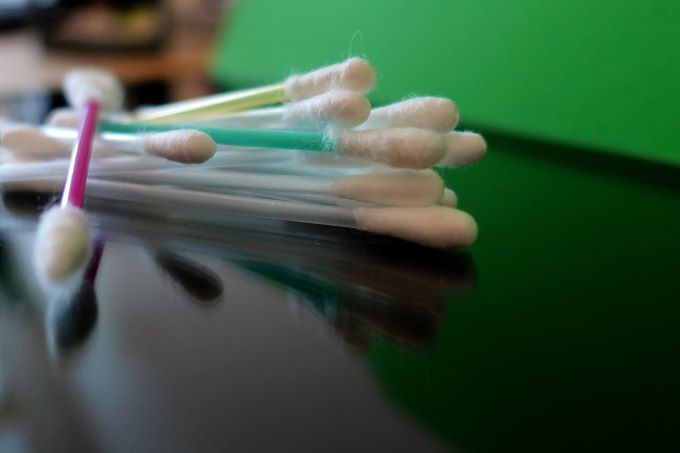
What are microplastics? Microplastics are plastic pieces that measure less than five millimetres across. Some microplastics have formed by breaking away from larger plastics that have fragmented over time – think debris from tire wear. Others have been made small intentionally, for example, cosmetic microbeads used in facial scrubs. In this guide, we will discuss the impact of microplastics on the environment and suggest six ways businesses can address the issue.
Why care about microplastics?
Microplastics have now been found all over the planet from the Arctic to the Antarctic, from the peak of Mount Everest to the bottom of the Mariana Trench. Although we do not currently understand all the environmental impacts of microplastics we do know that they are causing harm to marine life by accumulating in respiratory and gastrointestinal tracts, causing blockages which have been linked to an increase in mortality rate. Because plastics degrade slowly (often over hundreds or thousands of years), microplastics have a high probability of ingestion, incorporation into, and accumulation in the bodies and tissues of many organisms. The toxic chemicals that come from both the ocean and land runoff can bind to microplastics and bio-accumulate up the food chain. In terrestrial ecosystems, microplastics have been demonstrated to reduce the viability of soil ecosystems and reduce the weight of earthworms. They help illustrate the reach of human pollution and remind us that we all must take steps to reduce our impact on the environment.

6 ways to tackle the issue of microplastics
1. Check the tech
Share this story
Related news & insights
Recent posts
September 18, 2026
August 20, 2026
August 19, 2026
Awareness Days
April 15, 2026
January 22, 2026
Green Stories
August 19, 2026
February 16, 2026
Connect with us
Support